
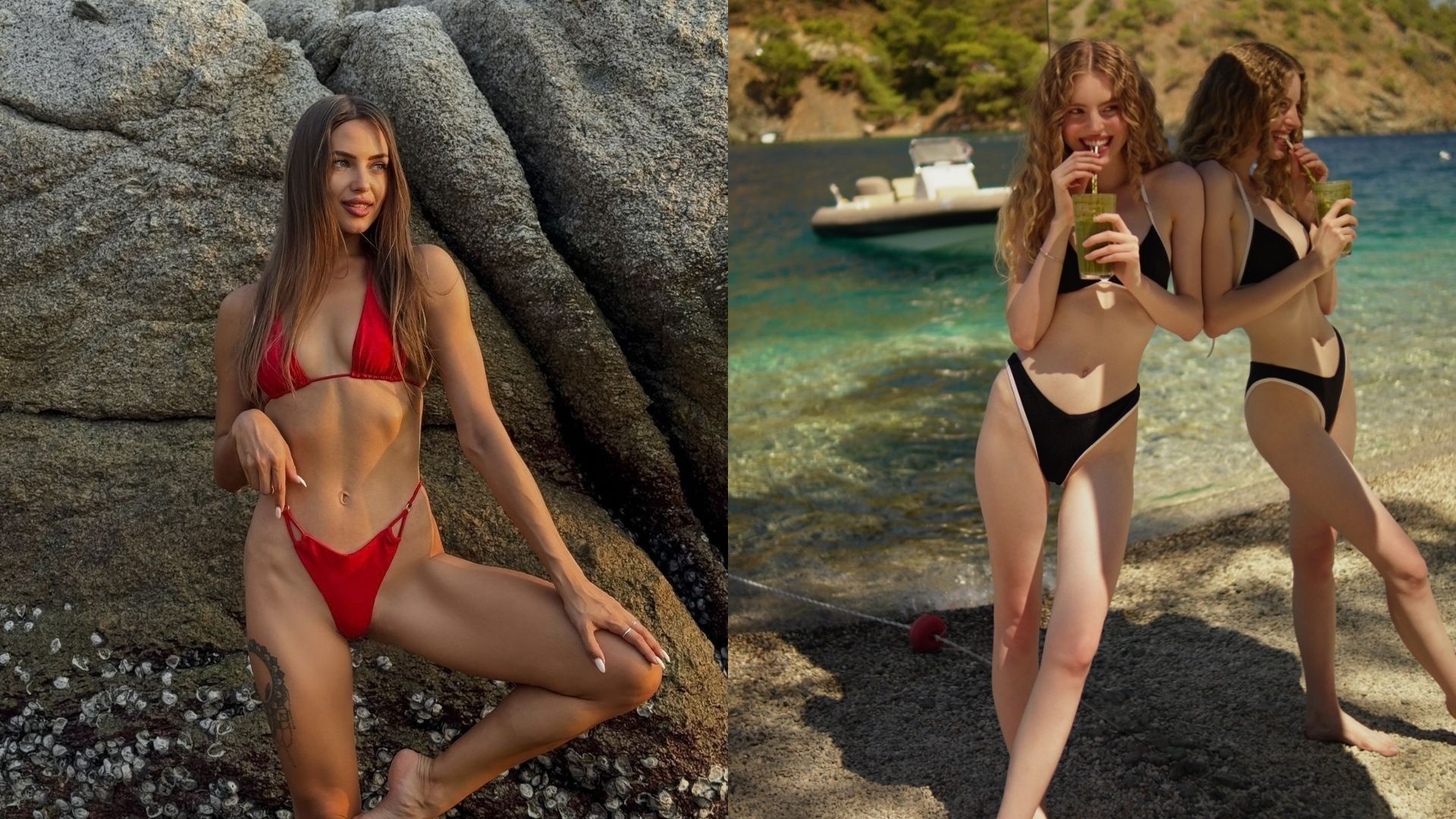
The pool and the sea are two very different environments for your swimwear. Chlorinated water and salty sea water wear down fabric in different ways, which means a single "one swimsuit for everything" approach doesn't always give the best results. Here's what to consider for each.
How Chlorine Affects Fabric
Over time, chlorine reduces the elasticity of swim fabric and can cause fading. If you swim in pools frequently, choosing high-Lycra, chlorine-resistant fabrics extends the life of your swimwear. The Energia series' structured cut and quality Lycra blend hold up well to regular pool use.
How Salt Water Affects Fabric
Sea water is less aggressive than chlorine, but salt crystals can build up between fabric fibres and cause stiffening over time. For the sea, well-fitted cuts that hold their shape in wave motion — like tie-side and adjustable styles — offer a practical advantage.
Which Cut Suits Which Environment?
For active pool use: Sporty, back-supported cuts that allow freedom of movement work best. The zip-back detail on Profundo and Ultima Profundo offers both a secure fit and comfortable movement.
For long days at the sea: Tie-side, adjustable bikini sets (like the Bebe and Ultima Bebe series) hold their shape through wave movement and dry easily after wet sand.
Care Differences
Rinsing your swimwear in cold water after either environment matters — it removes chlorine residue after the pool and salt residue after the sea. Rinsing without soap is the simplest way to preserve both colour and elasticity.
One Solution for Both: Rotation
If you regularly visit both the sea and the pool, rotating between two different swimsuits (dedicating one to each) extends the life of both pieces.
Browse the collection: Bikini Sets · One Pieces